
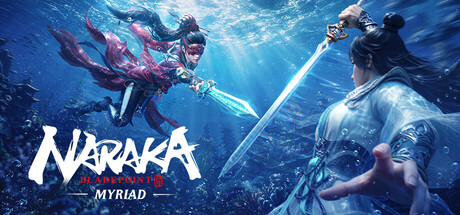
Start with the game you are actually playing
NARAKA: BLADEPOINT combines fighting-game reads with battle-royale routing. Players manage light attacks, focus attacks, parries, dodges, grapples, ultimates, armor, and the risk of being focused by several opponents. Terrain and vertical movement can reset a bad exchange, so positioning and escape planning matter as much as the opening combo.
Build your first improvement block around crosshair placement, movement and first-shot control, space, information and engagement timing and the role of utility, health, ammunition and safe positions. These are broad enough to explain the game but specific enough to create a repeatable practice target.
A focused NARAKA: BLADEPOINT practice session
Begin with a short warm-up that rehearses the input or decision you need today. Move into real matches before fatigue changes your standard. Use one process goal, such as checking a cue before committing, maintaining useful spacing, or preserving a key resource for the next timing.
End with one replay, round or possession. Find the first decision that made the later mistake difficult to avoid. Write one sentence: “When I see this cue, I will take this action.” That sentence becomes the next session’s focus.
Review without blaming the final moment
Build a dependable neutral plan before expanding the combo list. Practice one punish, one escape route, and the timing that distinguishes a focus attack from a parry opportunity. In replay review, identify whether the loss began with a read, spacing error, missing teammate angle, or an ultimate used without a conversion plan.
Separate execution from judgment. A correct decision can fail because of timing or mechanics; a poor decision can succeed because the opponent misses. Mark them differently so a lucky result does not become a bad habit and a missed input does not erase a good read.